
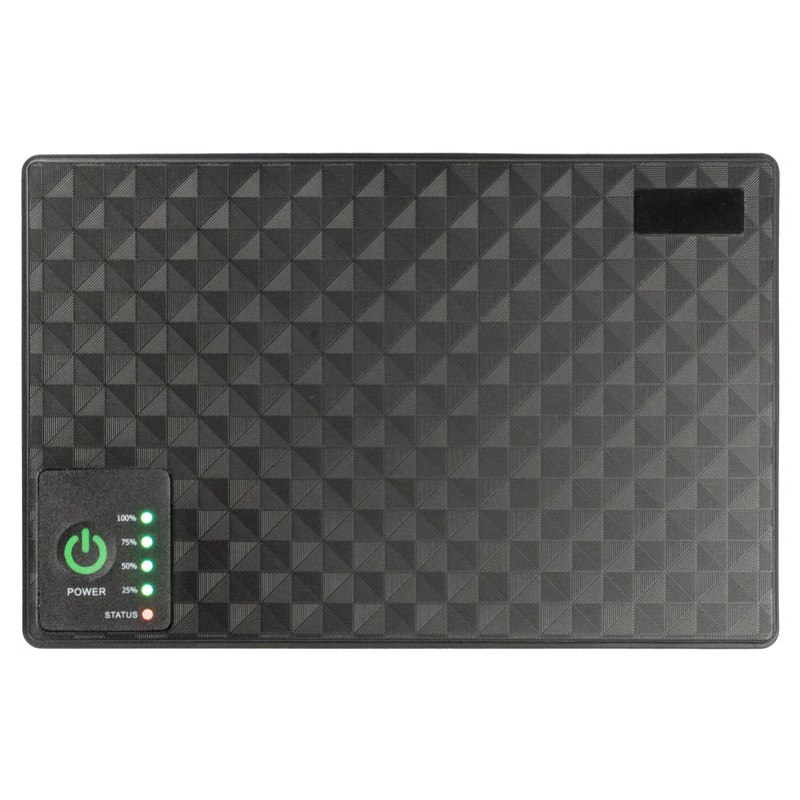
Extended Repair Guide for Common Failures of the DC1036P UPS
- Product Code: DC1036P
- Availability: 1
0.0
UPS units of the DC1036P series often fail due to two main reasons:
-
the use of low-quality electrolytic capacitors,
-
overheating caused by poor thermal design and insufficient ventilation.
Because of this, these devices may fail within a few months of operation, especially under heavy load or in hot environments.
Below is a detailed step-by-step professional guide for diagnostics and repair.
1️⃣ Symptoms of Failure
Most typical signs include:
-
the UPS stops powering on completely;
-
no response when pressing the power button;
-
a noticeable burnt smell inside the device;
-
voltage drop or heating when connecting the batteries.
If you smell anything burnt, immediately disconnect the UPS from mains and batteries.
2️⃣ Disassembly and Initial Inspection
-
Remove the UPS cover.
-
Perform a careful visual inspection:
-
swollen or leaking electrolytic capacitors,
-
darkened PCB areas around regulators,
-
cracked transistors (Q4/Q6),
-
burned spots near the microcontroller.
-
⚠️ Warning: capacitors may still hold charge!
Discharge them through a 1–2 kΩ resistor before working.
3️⃣ Diagnostics: From Simple to Advanced
📌 Step 3.1 — Check Capacitor C37
Set the multimeter to continuity mode and probe capacitor C37.
✔ If there is no beep — no short circuit
Good sign. Damage is likely limited.
✖ If the meter beeps — short circuit on the 3.3 V rail
Continue to the voltage regulator check.
📌 Step 3.2 — Check the 3.3 V Linear Regulator U3
This regulator is one of the most common failure points.
Typical signs of damage:
-
swollen or deformed package,
-
a small hole in the casing,
-
darkened PCB underneath.
🔧 Actions:
-
Desolder the regulator.
-
Probe C37 again.
✔ If the short disappears — the regulator was blown.
Replace it.
✖ If the short remains — the microcontroller is damaged.
📌 Step 3.3 — Microcontroller Check
If a short circuit persists after removing the regulator, the microcontroller is shorted internally.
It can only be replaced with a pre-programmed one, which is difficult to source.
4️⃣ Components That Must Be Replaced
🔋 4.1 — Capacitors CE3, CE4, CE9
Replace with:
-
680 µF / 25 V,
or better: -
680–820 µF / 35 V.
Higher voltage rating = greater reliability and lifespan.
Recommendation: Replace all electrolytic capacitors of this brand — they all tend to degrade.
🔧 4.2 — Transistors Q4, Q6 (PNP)
Factory-installed SS8550
You can use any:
-
PNP transistor,
-
1.5 A or higher,
-
20–40 V rating.
🔧 4.3 — 3.3 V Linear Regulator Replacement U3
A very good replacement:
-
LP2950ACZ-3.3 (TO-92)
It fits well after bending the leads according to the pinout.
Just ensure the pinout matches the original footprint.
5️⃣ Additional Recommendations
🌡 Cooling Improvements
-
drill ventilation holes above the regulator and transistor area,
-
add a small heatsink to the regulator,
-
ensure better airflow inside the enclosure.
🔋 Battery Considerations
The DC1036P has no battery balancing. This means:
-
individual cells or packs can drift in voltage,
-
a weak battery can overheat the circuit and damage transistors,
-
the UPS may enter deep discharge.
Recommendations:
-
monitor voltage of each battery group regularly,
-
replace packs if the difference exceeds 0.1–0.2 V,
Conclusion
After replacing capacitors, transistors, and the 3.3 V regulator, most DC1036P UPS units can be restored to full functionality.
The primary causes of failure are overheating and cheap components. Improving ventilation and installing quality capacitors significantly increases the lifetime of the device.
Tags: DC1036P UPS, UPS repair, power supply repair, 680µF capacitors, SS8550 transistors, 3.3V regulator, microcontroller fault, electronics diagnostics, repair guide, DIY electronics